
Choosing a dog, understanding its behavior, or adapting its training requires considering several parameters that are rarely presented together. Size, temperament, exercise needs, behavioral predispositions: these criteria vary greatly from one breed to another, and the confusion between them remains the primary source of poor matching between an adopter and their animal.
Size, energy, and sociability: comparison by dog breed group
Dog breeds are divided into groups with very different characteristics. The table below contrasts three typical profiles to illustrate the concrete differences between dogs often placed on the same level.
Further reading : Everything You Need to Know About Adoption: Procedures, Tips, and Family Testimonials
| Criterion | Australian Shepherd | French Bulldog | Golden Retriever |
|---|---|---|---|
| Size | Medium (male: about 25 kg) | Small (about 11 kg) | Large (about 30-34 kg) |
| Daily exercise requirement | Very high | Moderate | High |
| Sociability with children | Good (with sufficient stimulation) | Very good | Excellent |
| Tendency to separation anxiety | Strong | Moderate to strong | Moderate |
| Coat maintenance | Frequent brushing | Minimal | Regular brushing |
An under-stimulated Australian Shepherd quickly develops destructive behaviors. In contrast, a French Bulldog copes better with apartment living, but its brachycephalic morphology requires increased vigilance regarding respiratory health.
To discover dogs on Espace Animaux, these distinctions between breeds help guide the choice towards an animal compatible with one’s actual living environment.
Read also : Everything You Need to Know About Rights and Possible Uses of Land in Natural Areas
Dog behavioral well-being: what veterinary recommendations have changed
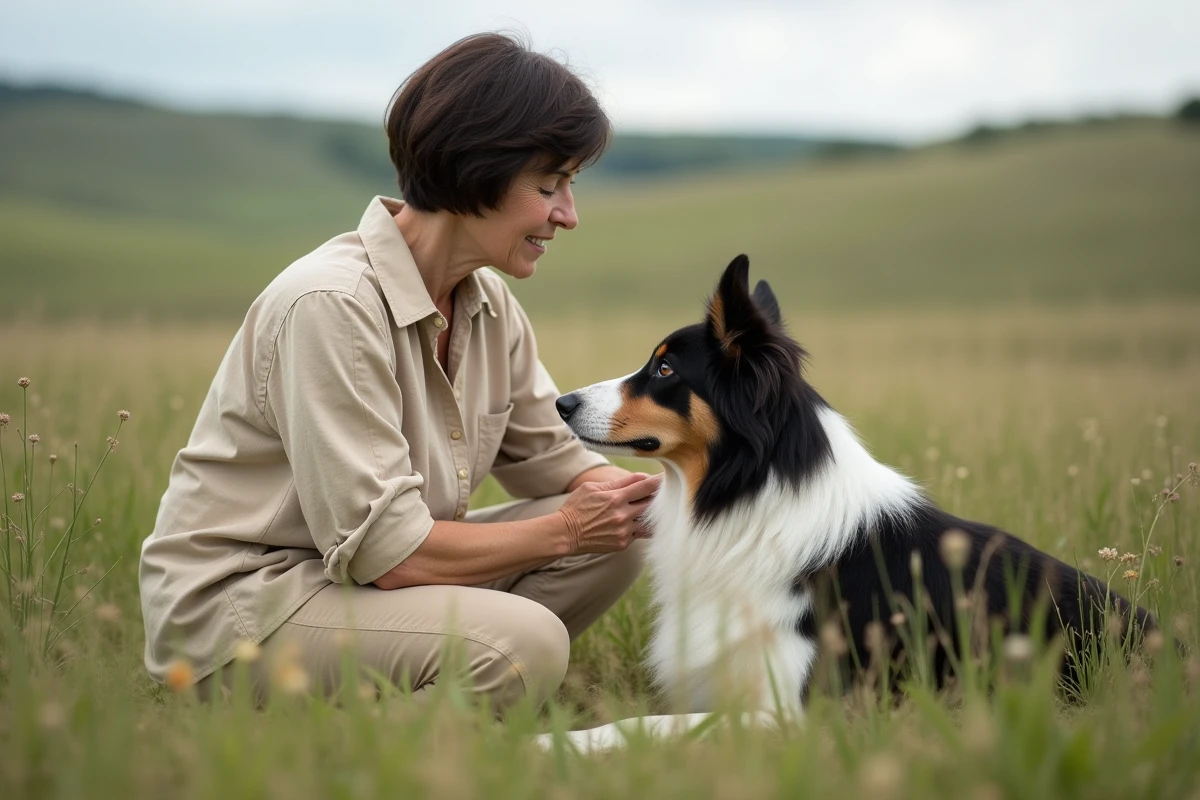
The guidelines published by the WSAVA (World Small Animal Veterinary Association) now place the mental well-being of the dog on the same level as physical care. Stress management, environmental enrichment, gradual socialization, prevention of anxiety disorders: these areas are an integral part of the recommended follow-up.
This change in perspective alters the way a dog is evaluated on a daily basis. An animal that is properly fed but left alone for long hours without stimulation can develop disorders (compulsive licking, repetitive barking, destruction of objects) that mere feeding will not resolve.
Signs of stress often overlooked in dogs
- Repeated yawning outside of fatigue context, excessive lip licking: these calming signals indicate discomfort that many owners confuse with ordinary fatigue.
- Averting gaze or frozen posture in response to a stimulus: the dog expresses unease, not voluntary submission.
- Panting in the absence of physical effort or heat: a frequent indicator of chronic anxiety, especially in breeds with high emotional dependence.
Recognizing these signals early allows for adjustments to the environment before the disorder becomes entrenched.
Positive dog training: why coercive methods are declining
Recent studies in canine behavior document a clear trend towards abandoning coercive collars and punitive methods. Positive reinforcement (rewarding the desired behavior rather than punishing the undesirable one) produces more stable results and reduces the risks of aggressive reactivity.
Several European countries have legislated to restrict the use of certain training devices (choke collars, electric collars). France imposes identification obligations before transfer and strengthens controls on unregistered breeding, within a regulatory framework updated between 2023 and 2024.

Three training principles that work over time
Positive reinforcement relies on timing and consistency, not on generosity with treats. Rewarding within two seconds of the desired behavior anchors the association in the dog’s mind. Waiting ten seconds longer muddles the message.
Gradual socialization between three and fourteen weeks remains the most critical window for the future emotional stability of the puppy. Exposing the young dog to varied environments (urban noises, other animals, unfamiliar people) during this period significantly reduces phobias in adulthood.
The third lever, often overlooked, concerns managing boredom through cognitive enrichment. Food-dispensing toys, scent exercises, simple obstacle courses: these activities channel the dog’s mental energy and decrease problematic behaviors related to frustration.
Dog adoption and purchase: regulatory pitfalls to be aware of
The trafficking of puppies sold online without declaration remains a documented problem at the European level. The European Commission has published a specific action plan against pet trafficking. In France, the Ministry of Agriculture has strengthened penalties against unregistered breeding and puppy sales online without prior identification.
Before any adoption or purchase, checking these elements reduces risks:
- Identification number (microchip) registered in the national database: an unidentified puppy cannot legally be transferred.
- Veterinary health certificate dated less than five days before the transfer, mentioning the vaccinations performed.
- SIREN number of the breeder for any sale, even occasional beyond one litter per year: the absence of this number indicates unregistered breeding.
- Sales contract or transfer certificate, a mandatory document that commits the seller to the health status of the animal at the time of the transaction.
In contrast, shelters like the SPA offer animals that are already identified, vaccinated, and often sterilized. The adoption cost there is significantly lower than that of a purchase from a breeder, and post-adoption support generally includes behavioral follow-up.
Choosing a dog commits one for a decade or more. Considering the breed’s size, its physical and mental activity needs, the current regulations, and the animal’s behavioral signals provides a more reliable decision-making basis than a crush based on a photo. Recent veterinary data confirms that a dog’s well-being depends as much on the quality of its social environment as on its medical care.