
In the digital age, smartphones have become extensions of our being, storing a multitude of sensitive personal and professional data. Cybercrime, targeting these portable devices, is on the rise, exploiting vectors such as malicious applications, phishing, and unsecured Wi-Fi networks. Users, often less vigilant about mobile security than about their computers, expose themselves to increased risks of identity theft, financial fraud, and loss of critical data. In the face of these threats, it is imperative to strengthen protective measures and adopt cautious behaviors.
Protection Strategies: Securing Your Mobile Against Cyber Threats
Mobile security, often relegated to the background, requires collective awareness. Your smartphone, offering functionalities similar to computers, contains sensitive information that deserves rigorous protection. Start by activating a strong passcode or, if available, biometric authentication. This first line of defense ensures basic protection against unauthorized access to your mobile device in case of loss or theft.
Related reading : How to Create a Driveway on a Budget?
Continue with data encryption, a security measure that ensures the protection of information even if it falls into the wrong hands. The encryption capabilities built into modern smartphone operating systems should not be overlooked. Prevent intrusions by regularly performing security updates, which fix recently discovered vulnerabilities and strengthen your operating system’s defenses.
Mobile security solutions, often overlooked in favor of user experience, are nonetheless crucial. These software programs, true shields, protect against viruses, the SMS-PA Trojan, and other attacks, diligently scanning every download and installed application. Don’t forget to regularly back up your information, which preserves your data in case of a digital disaster.
Read also : How to Effectively Log into Your Online Email Account: Tips and Advice
Your device’s IMEI code can be used to block the device on networks, rendering your phone unusable in case of theft. Be wary of public Wi-Fi networks, which can be dangerous for data security. Prefer using secure networks or a VPN for your remote connections to protect against data interception. Take these threats seriously and act: mobile security is an individual responsibility as much as a collective one.
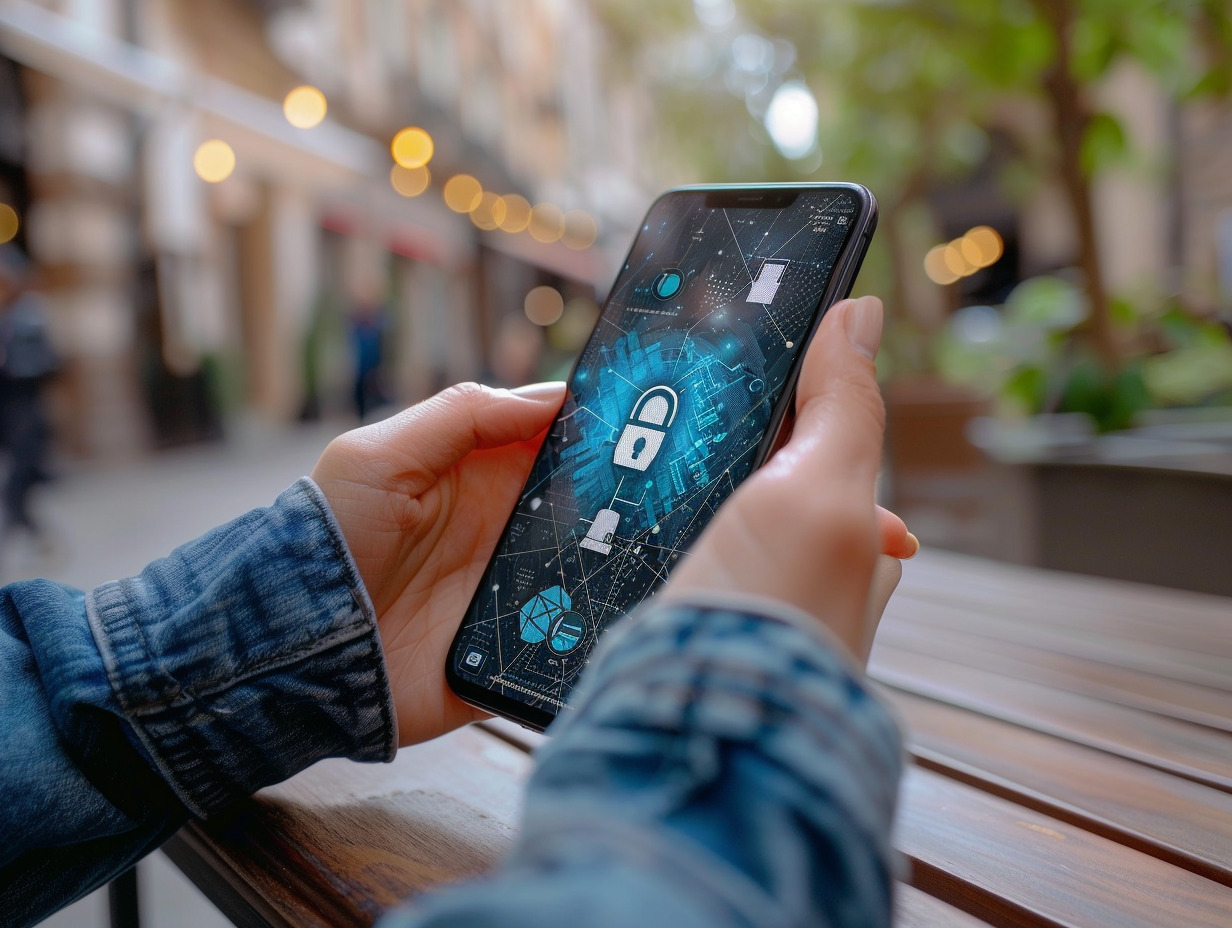
Daily Practices: Adopting the Right Reflexes for Enhanced Mobile Security
Daily security practices are the foundation of a solid mobile defense. Start by being more vigilant about installing mobile applications: they must come from official sources such as the Play Store or the App Store. These platforms apply security checks and reduce the risk of malware infiltration. Stay away from APK files or alternative stores, which may turn out to be disguised Trojan horses.
Take control of app permissions. The permissions granted should be carefully analyzed to prevent malicious applications from accessing personal data unnecessarily. Secure your information by restricting non-essential access: the camera, microphone, contacts, and location should only be accessible to applications that strictly need them to function properly.
Confidential information requires special attention. Do not carelessly store sensitive data such as banking credentials or important personal documents on your device. Use reputable password managers and secure storage spaces to keep this valuable information, with encryption protection.
Be aware that mobile devices can be easily lost or stolen. Consequently, prepare for this eventuality by activating location and remote lock tools. These features, often integrated into your smartphone’s operating system, allow you to locate or neutralize your device in case of disappearance. Be proactive: security does not wait for the risk to materialize.