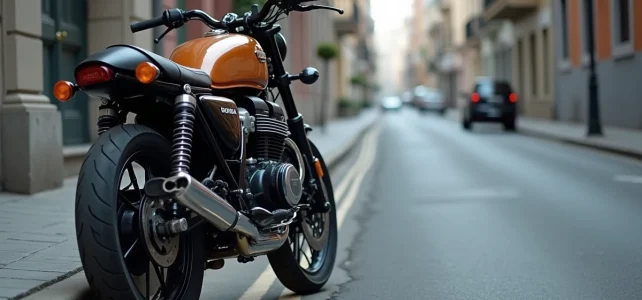
A motorcycling colleague has just obtained his A2 license and is hesitating between a new CB750 Hornet and a used CB750 Seven Fifty spotted at a good price. On paper, both have the same name. In practice, we are talking about two radically different motorcycles, and one of them can pose a real insurance problem.
CB750 Seven Fifty and A2 License: The Regulatory Grey Area
The confusion comes from the name. When you type “CB750” while searching for an A2 motorcycle, you come across two distinct generations. The recently launched CB750 Hornet (or CB750S) is designed for the A2 license with approved restriction. The CB750 Seven Fifty, produced in the 1990s, far exceeds the 35 kW allowed for A2.
You may also like : Learning to Use a Multimeter for Electronics Beginners
However, specialized motorcycle insurance brokers have recently noted A2 contracts opened on CB750 Seven Fifty models with over 70 hp. The reason: older registration documents are not always integrated into the digital databases of insurers and administrations. A grey area exists, but it does not protect the rider in case of a check or an accident.
Riding an A2 on a non-compliant motorcycle exposes you to a cancellation of coverage in the event of an accident. The savings made at purchase can quickly turn into a bill of several thousand euros. Before signing anything on an “old” 750, check the actual power on the registration document and request written confirmation from the insurer.
Recommended read : Psychotechnical Tests: Challenges and Tips for Success
Those who want to delve deeper into this point will find a comprehensive analysis on the Honda CB750S for A2 License and the concrete pitfalls to avoid.
A2 Restriction of the CB750 Hornet: What It Changes at the Handlebar

The recent CB750 Hornet features a 270° parallel twin engine with a displacement of 755 cm³. In full power version, it boasts over 90 hp. Restricted for the A2 license, the motorcycle is limited to 47 hp (35 kW). The question every beginner asks: does a restricted large displacement perform as well as an engine designed for that power?
The torque remains available low in the rev range, which facilitates low-speed maneuvers and acceleration in the city. You don’t end up with an engine that only “comes alive” above 7,000 rpm. The 270° architecture gives a pleasant engine character even when restricted, with a strong pulling sensation from 3,000 rpm.
However, the weight of the machine remains that of a 750. At around 190 kg fully fueled, it is significantly heavier than a native A2 500. For a lightweight rider or someone who has never handled a motorcycle outside of the training course, the first parking maneuvers and U-turns can be surprising.
Concrete Points to Evaluate Before Purchase
- Seat height: check that both feet touch the ground when stopped, not just the tips. In the dealership, sit on it with full gear, not in sneakers.
- Turning radius: on a restricted 750, the weight penalizes tight maneuvers. Test a full U-turn in a parking lot before signing.
- Management of the rear brake: the extra weight increases braking distances at low speeds. A beginner coming from a training course on a 125 or a lightweight 500 needs to recalibrate their reflexes.
Used CB750 Hornet Market: Rising Prices and Pitfalls to Avoid
Since 2022-2023, the prices of well-maintained CB750 Seven Fifty models have been rising, driven by neo-retro appeal and the search for “tolerated” A2 motorcycles. Clean examples with maintenance history sell quickly. Neglected versions, however, stagnate on classified ad platforms.
This price differential tells a story. On a motorcycle over twenty years old, overall condition matters more than the displayed mileage. An engine that runs smoothly but has leaking fork seals, a jury-rigged electrical harness, or a timing chain that has never been replaced can lead to repair costs that quickly exceed the purchase price.
Wear Parts and Availability for Older CB750s
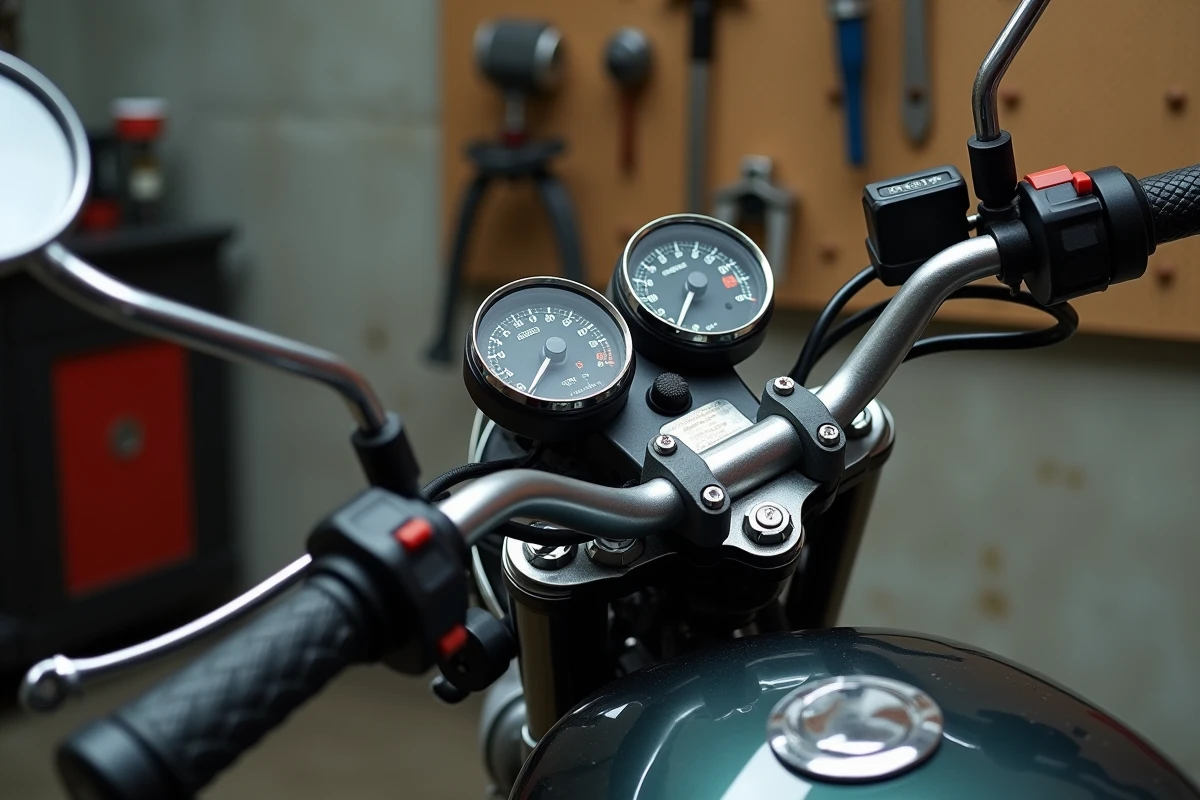
Common parts (brake pads, filters, chain kits) remain available from aftermarket suppliers. However, some specific parts are becoming rare and expensive: original carburetors, gauges, fairing parts. Budget for a stock of consumables upon purchase to avoid being immobilized for three weeks waiting for a delivery from Japan.
For the recent Hornet, the situation is different. The Honda network provides everything within a few days. Feedback varies on the availability of certain optional accessories, but the essentials of regular maintenance pose no logistical problems.
New CB750 Hornet or Used Seven Fifty: What is the Real Budget to Start
For the new model, the CB750 Hornet is priced around 8,500 euros. In addition, there are the A2 restriction kit (sometimes included by the dealer), insurance, and rider gear. The total budget for the first year often exceeds the catalog price of the motorcycle.
For the used Seven Fifty, purchase prices seem attractive. But you need to add: technical inspection, mechanical restoration if necessary, verification of A2 compliance (or legal impossibility to ride it), and potentially higher insurance on an older vehicle without ABS.
- New CB750 Hornet: manufacturer warranty, standard ABS, approved restriction, accessible maintenance network.
- Used Seven Fifty: low entry price, but real A2 regulatory risk, specific parts becoming scarce, no ABS.
- A third option often overlooked: a recent used CB750 Hornet (one or two years old), already restricted to A2, with a few thousand kilometers. The best compromise between controlled budget and legal security.
The choice between these three options depends less on the gross budget than on the ability to manage mechanical and administrative surprises. For a first motorcycle purchase, administrative peace of mind is often worth more than the displayed savings. A motorcycle blocked by an insurance refusal or a non-compliance with A2 discovered afterward is exactly the kind of trap that turns a good deal into a beginner’s nightmare.